Mastering Bedding Layering Methods for Temperature Control: Your Guide to Optimal Sleep Comfort
Roger Yin
Achieving the perfect sleep environment is essential for restful nights and rejuvenated mornings. One effective strategy to enhance sleep quality is the bedding layering method, which allows for optimal temperature control throughout the night. This comprehensive guide will explore how bedding layering can significantly improve your sleep comfort by regulating temperature, the best fabrics to use, and practical tips for different sleeping conditions. Many individuals struggle with fluctuating temperatures during sleep, leading to discomfort and disrupted rest. By mastering the art of bedding layering, you can create a personalized sleep sanctuary that meets your unique needs. This article will cover the benefits of bedding layering, the best temperature-regulating fabrics, solutions for hot sleepers, seasonal tips, and how to effectively use products like Sleeply Sleep’s innovative comforters.
How Does Bedding Layering Enhance Temperature Control for Better Sleep?
Bedding layering enhances temperature control by allowing individuals to customize their sleep environment according to personal comfort preferences. This method involves using multiple layers of bedding materials that can be added or removed based on the temperature, ensuring that the sleeper remains comfortable throughout the night. Effective layering techniques can help maintain an optimal sleep temperature, which is crucial for quality rest. Research indicates that maintaining a stable sleep temperature around 60-67°F (15-19°C) can lead to deeper sleep cycles and improved overall sleep quality.
Further research supports the idea that the combination of indoor temperature and bedding systems significantly impacts sleep quality and thermal comfort.
What Are the Key Components of an Effective Bedding Layering System?
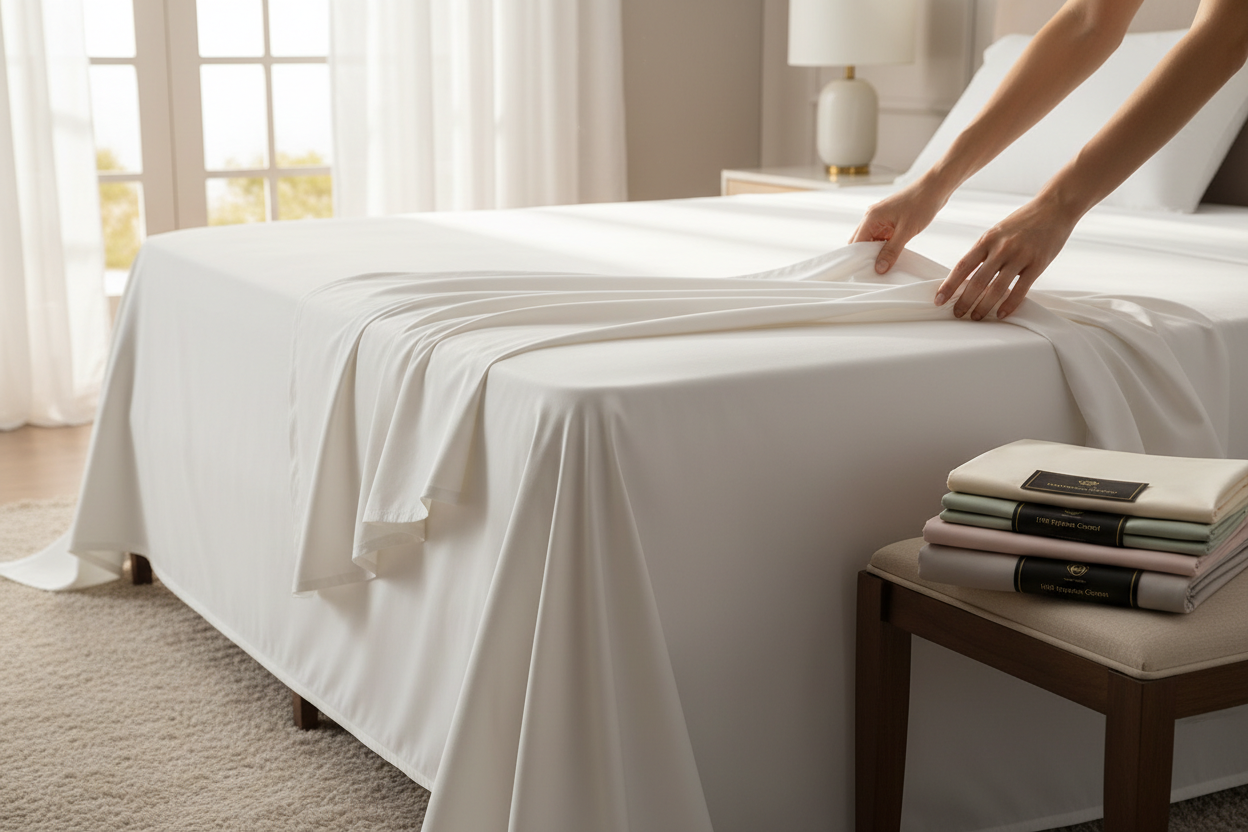
An effective bedding layering system typically consists of three key components: the base layer, mid-layer, and top layer.
- Base Layer: This layer usually includes fitted sheets made from breathable materials like cotton or bamboo, which wick moisture away from the body.
- Mid-Layer: This can consist of lightweight blankets or comforters that provide insulation without overheating. Materials like cotton percale or linen are excellent choices for this layer.
- Top Layer: The top layer often includes heavier comforters or duvets that can be added or removed based on the season or personal preference.
By carefully selecting materials for each layer, you can create a bedding system that adapts to your temperature needs throughout the night.
How Does Layering Improve Sleep Quality and Comfort?
Layering bedding can significantly improve sleep quality and comfort by allowing for better temperature regulation. When the body is too hot or too cold, it can disrupt sleep cycles, leading to restlessness and frequent awakenings. Studies have shown that individuals who use layered bedding report higher satisfaction with their sleep experience. The ability to adjust layers according to personal comfort preferences means that sleepers can maintain an ideal temperature, which is essential for achieving restorative sleep. Additionally, the tactile comfort of various materials can enhance the overall sleep experience, making it more enjoyable.
Which Temperature Regulating Fabrics Are Best for Bedding Layers?
Choosing the right fabrics for your bedding layers is crucial for effective temperature regulation. Certain materials are known for their ability to wick moisture, provide insulation, or enhance breathability, making them ideal for a layered bedding system.
What Are the Benefits of Bamboo, Cotton, Linen, and Wool in Bedding?
Bamboo, cotton, linen, and wool each offer unique benefits for bedding:
- Bamboo: Known for its natural cooling properties, bamboo fabric is highly breathable and moisture-wicking, making it ideal for hot sleepers.
- Cotton: A classic choice, cotton is soft, breathable, and versatile, providing comfort in various temperatures.
- Linen: This fabric is highly breathable and has excellent moisture-wicking properties, making it perfect for warm climates.
- Wool: Wool is an excellent insulator, providing warmth in colder months while also being moisture-wicking, which helps regulate temperature.
These fabrics can be combined in a layered bedding system to create a comfortable sleep environment year-round.
How Do Innovative Fabrics Like FrostWeave™ Technology Enhance Temperature Control?
Innovative fabrics like CoolWick™ technology are designed to enhance temperature control by actively managing body heat. This technology uses advanced moisture-wicking materials that draw heat and perspiration away from your body, keeping you cool during warm nights. CoolWick™ is particularly beneficial for those who experience night sweats or overheating. By integrating such fabrics into your bedding layers, you can significantly improve your sleep quality and comfort.
How to Layer Bedding for Hot Sleepers: Cooling Bedding Solutions
Hot sleepers often struggle to maintain a comfortable temperature throughout the night. Fortunately, there are specific strategies and products that can help.
What Are the Best Cooling Comforters and Sheets for Night Sweats?
For those who experience night sweats, selecting the right cooling comforters and sheets is essential. Some of the best options include:
- Cooling Comforters: Look for comforters made with breathable materials like bamboo or those featuring CoolWick™ technology, which actively regulates temperature.
- Moisture-Wicking Sheets: Sheets made from moisture-wicking fabrics, such as Tencel (lyocell) or specialized cotton blends, can help keep you dry and comfortable.
- Lightweight Blankets: Opt for lightweight blankets that provide coverage without adding excessive warmth.
These products can help create a more comfortable sleep environment for hot sleepers.
How Do Moisture-Wicking Materials Help Hot Sleepers Stay Comfortable?
Moisture-wicking materials play a crucial role in helping hot sleepers stay comfortable by drawing sweat away from the body. This process helps regulate body temperature and prevents the discomfort associated with damp bedding. Fabrics like bamboo, Tencel, and specialized cotton blends are excellent choices for moisture-wicking properties. By incorporating these materials into your bedding layers, you can enhance your overall sleep experience and reduce the likelihood of waking up due to overheating.
What Are the Best Seasonal Bedding Layering Tips for Year-Round Temperature Control?
Adapting your bedding layers according to the seasons is essential for maintaining optimal temperature control throughout the year. Here are some effective tips for layering bedding in different seasons.
How to Layer Bedding for Summer: Lightweight and Breathable Options
During the summer months, it’s important to focus on lightweight and breathable options. Consider the following tips:
- Use Lightweight Sheets: Opt for sheets made from breathable materials like cotton or bamboo to promote airflow.
- Choose a Thin Comforter: A lightweight comforter or quilt can provide coverage without trapping heat.
- Add a Lightweight Blanket: Keep a lightweight blanket on hand for cooler nights without adding bulk.
These strategies will help you stay cool and comfortable during hot summer nights.
How to Layer Bedding for Winter: Insulating and Warmth-Retaining Layers
In winter, the focus shifts to insulation and warmth retention. Here are some tips for effective winter bedding layering:
- Start with a Warm Base Layer: Use flannel or thermal sheets as your base layer for added warmth.
- Add a Heavier Comforter: Choose a thicker comforter or duvet filled with down or wool for insulation.
- Incorporate Throws: Keep warm throws or blankets nearby for extra warmth when needed.
By layering effectively, you can ensure a cozy and warm sleep environment during the colder months.
How Do Temperature Regulating Comforters Like Sleeply Sleep’s Dual-Layer Comforter Work?
Temperature regulating comforters, such as Sleeply Sleep’s Dual-Layer Comforter, are designed to provide optimal comfort through innovative design and materials.
What Are the Features and Benefits of Dual-Sided Cooling Comforters?
Sleeply Sleep’s Dual-Layer Comforter features two distinct sides: one designed for cooling and the other for warmth. This versatility allows users to switch between sides based on their temperature needs. The cooling side utilizes advanced materials that wick moisture and regulate temperature, while the warming side provides insulation for colder nights. This dual functionality makes it an excellent choice for year-round comfort.
How to Integrate Adaptive Comforters into Your Bedding Layering Method
Integrating adaptive comforters into your bedding layering method is straightforward. Start by selecting the appropriate side of the comforter based on your current temperature needs. Pair it with moisture-wicking sheets and breathable blankets to create a balanced layering system. This approach allows you to easily adjust your bedding according to seasonal changes or personal comfort preferences, ensuring a restful night’s sleep.
How to Layer Bedding for Warmth: Techniques and Product Recommendations
For those who tend to feel cold at night, effective layering techniques can help maintain warmth without overheating.
What Are Effective Layering Strategies for Cold Sleepers?
Cold sleepers can benefit from the following layering strategies:
- Use Insulating Base Layers: Start with flannel or thermal sheets that provide warmth.
- Incorporate a Thick Comforter: Choose a heavy comforter filled with down or wool for maximum insulation.
- Add Extra Blankets: Keep additional blankets on hand for extra warmth during particularly cold nights.
These strategies will help ensure that cold sleepers remain comfortable throughout the night.
How to Choose Pillows and Throws That Support Temperature Regulation
Selecting the right pillows and throws is essential for supporting temperature regulation. Look for pillows made from breathable materials that allow for airflow, such as latex or gel-infused memory foam. Additionally, choose throws made from lightweight, moisture-wicking fabrics to provide warmth without overheating. By carefully selecting these accessories, you can enhance your overall sleep comfort and temperature control.
EAV Table: Comparison of Bedding Materials for Temperature Control
Different bedding materials offer varying benefits for temperature control. The following table compares key attributes of popular bedding fabrics.
|
Material |
Breathability |
Moisture-Wicking |
Insulation |
Ideal Season |
|---|---|---|---|---|
|
Bamboo |
High |
Excellent |
Low |
Summer |
|
Cotton |
Moderate |
Good |
Moderate |
Year-Round |
|
Linen |
High |
Excellent |
Low |
Summer |
|
Wool |
Moderate |
Good |
High |
Winter |
List of Recommended Bedding Products for Temperature Control
To enhance your bedding layering experience, consider the following recommended products:
- Sleeply Sleep Dual-Layer Comforter: Offers dual-sided functionality for year-round comfort.
- Bamboo Sheets: Provide excellent breathability and moisture-wicking properties.
- Lightweight Cotton Blanket: Ideal for summer layering without added bulk.
List of Seasonal Bedding Layering Tips
Here are some essential tips for adjusting your bedding layers according to the seasons:
- Summer: Use lightweight sheets and a thin comforter to promote airflow.
- Winter: Incorporate flannel sheets and a thick comforter for added warmth.
- Transitional Seasons: Use a combination of layers that can be easily adjusted as temperatures fluctuate.
By following these tips, you can ensure that your bedding remains comfortable and conducive to restful sleep throughout the year.