The Ultimate Guide to Choosing Your Perfect Mattress: Mattress Types, Firmness, and Buying Tips
Roger Yin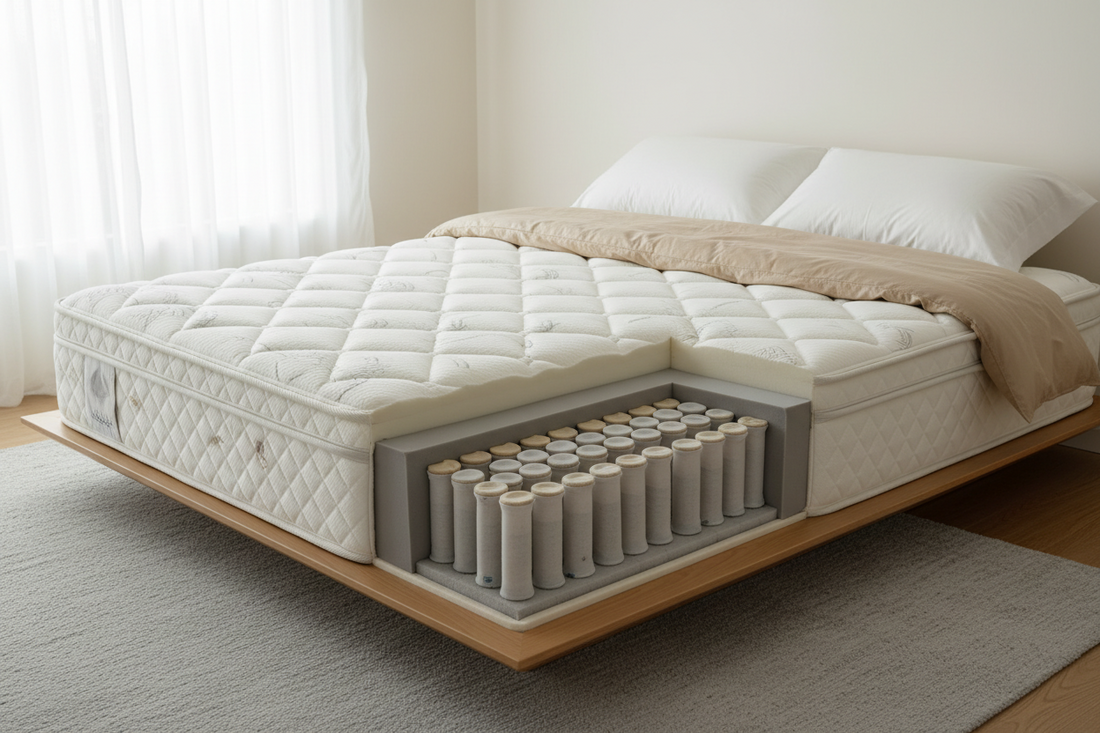
Choosing the right mattress is crucial for achieving a good night's sleep and overall well-being. With countless options available, understanding the different types of mattresses, their firmness levels, and essential buying tips can help you make an informed decision. This guide will explore various mattress types, including memory foam, hybrid, innerspring, and latex, and their unique benefits. Additionally, we will discuss how to select the right firmness based on your sleep position and the materials that contribute to durability and comfort. Finally, we will provide essential buying tips and warranty information to ensure you choose the perfect mattress for your needs.
What Are the Different Mattress Types and Their Benefits?
When it comes to mattresses, understanding the different types available is essential for making an informed choice. Each mattress type offers unique benefits that cater to various sleep preferences and needs. The most common types include memory foam, hybrid, innerspring, and latex mattresses, each designed to provide specific support and comfort levels.
How Does a Memory Foam Mattress Improve Sleep Quality?
Memory foam mattresses are renowned for their ability to contour to the body's shape, providing personalized support. This material responds to body heat and pressure, allowing it to mold to the sleeper's form. As a result, memory foam mattresses can alleviate pressure points, reduce tossing and turning, and enhance overall sleep quality. Many users report improved comfort and reduced pain, particularly for those with joint or back issues.
Further research highlights the specific properties of viscoelastic memory foam that contribute to its pressure-redistributing capabilities.
Viscoelastic Memory Foam Mattress Properties
Participants were exposed to either a nonpressure redistributing foam mattress (NPRFM), which was the standard mattress used at the study site, or a PRFM made of viscoelastic, temperature-sensitive, polyurethane memory foam.
What Are the Advantages of Hybrid, Innerspring, and Latex Mattresses?
Hybrid, innerspring, and latex mattresses combine traditional support with modern comfort features. Innerspring mattresses utilize a system of coil springs to provide support and bounce, making them ideal for those who prefer a more traditional feel. Hybrid mattresses blend innerspring coils with layers of foam or latex, offering the best of both worlds. This combination provides excellent support, breathability, and pressure relief, catering to a wide range of sleep preferences. Latex mattresses offer a responsive and durable surface with natural breathability and hypoallergenic properties, making them a great option for those seeking a more natural mattress.
How to Choose the Right Mattress Firmness for Your Sleep Position
Selecting the right mattress firmness is crucial for ensuring a comfortable night's sleep. The ideal firmness level often depends on your preferred sleep position, as different positions require varying levels of support to maintain spinal alignment.
Which Firmness Level Is Best for Side, Back, and Stomach Sleepers?
- Side Sleepers: Typically benefit from a softer to medium-soft mattress that allows for contouring around the shoulders and hips, reducing pressure points.
- Back Sleepers: Generally require a medium to medium-firm mattress that provides adequate support while allowing for some contouring to maintain spinal alignment.
- Stomach Sleepers: Often need a firmer mattress to prevent the hips from sinking too deeply, which can lead to back pain.
How Does Mattress Firmness Affect Back Pain Relief?
The firmness of a mattress plays a significant role in back pain relief. A mattress that is too soft may not provide adequate support, leading to misalignment of the spine. Conversely, a mattress that is too firm can create pressure points, exacerbating discomfort. Research indicates that medium-firm mattresses often provide the best balance of support and comfort, promoting proper spinal alignment and reducing back pain.
Indeed, a systematic review of literature supports the notion that medium-firm mattresses are often recommended for promoting comfort, sleep quality, and proper spinal alignment.
Medium-Firm Mattresses for Sleep Quality & Back Pain Relief
What Materials Affect Mattress Durability and Comfort?
The materials used in a mattress significantly impact its durability and comfort. Understanding these materials can help you choose a mattress that meets your needs and preferences.
How Do Memory Foam, Latex, and Coil Materials Compare?
Memory foam, latex, and coil materials each offer distinct advantages:
- Memory Foam: Provides excellent contouring and pressure relief but may retain heat unless infused with cooling gel or other technologies.
- Latex: Offers a responsive feel and is naturally breathable, making it a great option for those who sleep hot. Natural latex is also durable and hypoallergenic.
- Coil: Provides strong support and durability, often with a bouncier feel. Coil count and coil gauge affect support and firmness.
What Are the Benefits of Eco-Friendly Mattress Materials?
Eco-friendly mattress materials, such as organic cotton, natural latex, and wool, contribute to a healthier planet and provide high-quality products that are safe for you and your family. Sustainable bedding options, such as those made with certified materials, ensure that consumers can enjoy luxurious comfort while being environmentally responsible. These materials often have lower chemical emissions, making them a safer choice for sensitive individuals.
What Are Essential Mattress Buying Tips and Warranty Information?
When purchasing a mattress, several key factors should be considered to ensure you make the best choice for your needs. Understanding warranty information and return policies is also crucial for a satisfactory purchase experience.
How to Evaluate Mattress Warranty and Return Policies?
When evaluating a mattress warranty, consider the following:
- Coverage Duration: Look for warranties that last at least 10 years, covering defects in materials and workmanship.
- Return Policy: Ensure the mattress comes with a trial period that allows you to test it in your home, typically ranging from 90 to 120 days.
- Exclusions: Be aware of what is not covered, such as normal wear and tear or damage caused by improper use.
What Should You Consider When Purchasing a Mattress Online?
When purchasing a mattress online, consider the following factors:
- Comfort and Support: Look for features that cater to your specific sleeping needs, such as temperature regulation and material quality.
- Trial Period and Return Policy: Ensure there is a trial period and a hassle-free return policy in case the mattress does not meet your expectations.
- Sustainability: Consider mattresses made from sustainable materials, which can be better for the environment and your health.
- Customer Reviews: Check reviews to gauge satisfaction and product performance from other users.
- Warranty: Look for a warranty that covers defects and ensures long-term quality.
Sleeply Sleep offers a range of premium mattresses designed to enhance sleep quality, ensuring you find the perfect fit for your needs.
How to Maintain Your Mattress and Know When to Replace It?
Proper maintenance of your mattress can extend its lifespan and ensure optimal comfort. Knowing when to replace your mattress is equally important for maintaining sleep quality.
What Are Best Practices for Mattress Care and Longevity?
To care for your mattress and prolong its life, consider the following practices:
- Regular Cleaning: Vacuum your mattress regularly to remove dust and allergens.
- Rotation: Rotate your mattress every three to six months to promote even wear. (Note: Some mattresses, especially those with specific layers or one-sided designs, may not require rotation—check manufacturer guidelines.)
- Use a Mattress Protector: Protect your mattress from spills and stains with a quality mattress protector.
When Is It Time to Replace Your Mattress for Optimal Sleep?
Signs that it may be time to replace your mattress include:
- Visible Sagging: If your mattress shows signs of sagging or indentations, it may no longer provide adequate support.
- Increased Discomfort: If you wake up with aches and pains, it may be time for a new mattress.
- Age: Most mattresses have a lifespan of 7-10 years, so consider replacing it if it’s nearing this age.
Maintaining your mattress properly and recognizing when to replace it can significantly enhance your sleep quality and overall well-being.