Bamboo vs Cotton Sheets: Which Bedding Material Is Best for Your Sleep Needs?
Roger Yin
Bamboo vs cotton sheets compares two popular bedding materials to help you choose sheets that improve sleep comfort, temperature regulation, and long-term value. This article explains how bamboo-derived fibers and cotton differ in feel, moisture management, durability, sustainability, and care so you can match material traits to your sleep needs. Readers will learn what drives bamboo’s cooling reputation, when cotton remains the smarter choice, and which weave and fiber types matter most for sensitive skin, hot sleepers, and budget-minded shoppers. The following sections map core differences, explain why bamboo often wins for hot sleepers, weigh pros and cons, outline when cotton is preferable, and examine sustainability and certification issues relevant to modern bedding purchases.
This guide integrates practical buying advice, quick comparison tables, and checklists that make choices actionable. Throughout, semantic concepts like breathability, moisture-wicking, thread length, and weave (percale vs sateen) are tied to real-world effects on sleep quality. Where helpful, the article points readers toward product-level care guidance and certification details offered by sleeply sleep to support post-purchase usability and verification. Read on to decide whether bamboo lyocell or a long-staple cotton percale or sateen will deliver the best nights for your bedroom climate and skin sensitivity.
What Are the Key Differences Between Bamboo and Cotton Sheets?
Bamboo and cotton sheets differ primarily in fiber origin, processing methods, feel, moisture transport, and environmental trade-offs; these differences create distinct sleeping experiences. Bamboo-based fibers (often sold as lyocell, modal, or viscose) form smooth, fine filaments that enhance drape and wicking, while cotton fibers vary from coarse upland to long-staple Pima and Egyptian varieties, which affect softness and durability. The result is a material-level split: bamboo excels at moisture-wicking and a silky hand, whereas cotton offers a wider range of textures and proven durability depending on staple length and weave. Below is a concise, scannable comparison that highlights the attributes buyers ask about most.
Different attributes produce predictable user outcomes; the table below summarizes core differences so you can scan which material fits your priorities quickly.
|
Attribute |
Bamboo sheets |
Cotton sheets |
|---|---|---|
|
Feel |
Silky, smooth drape |
Ranges from crisp (percale) to soft (sateen) |
|
Temperature regulation |
High moisture-wicking and evaporative cooling |
Breathable but can trap heat in dense weaves |
|
Durability |
Good (lyocell/closed-loop better) |
Very durable for long-staple cottons |
|
Sustainability |
Fast-growing renewable crop; processing varies |
Conventional cotton high water/pesticide use; organic options exist |
|
Care |
Gentle wash, low heat drying recommended |
Robust; can withstand higher temps, softens with washes |
|
Price range |
Moderate to premium |
Wide range from budget to luxury |
This table clarifies trade-offs across performance, care, and sustainability so you can prioritize cooling, longevity, or a cotton tactile preference. The next subsections explain how these general attributes translate into tactile differences and temperature performance for sleep.
How Do Bamboo Sheets Feel Compared to Cotton Sheets?
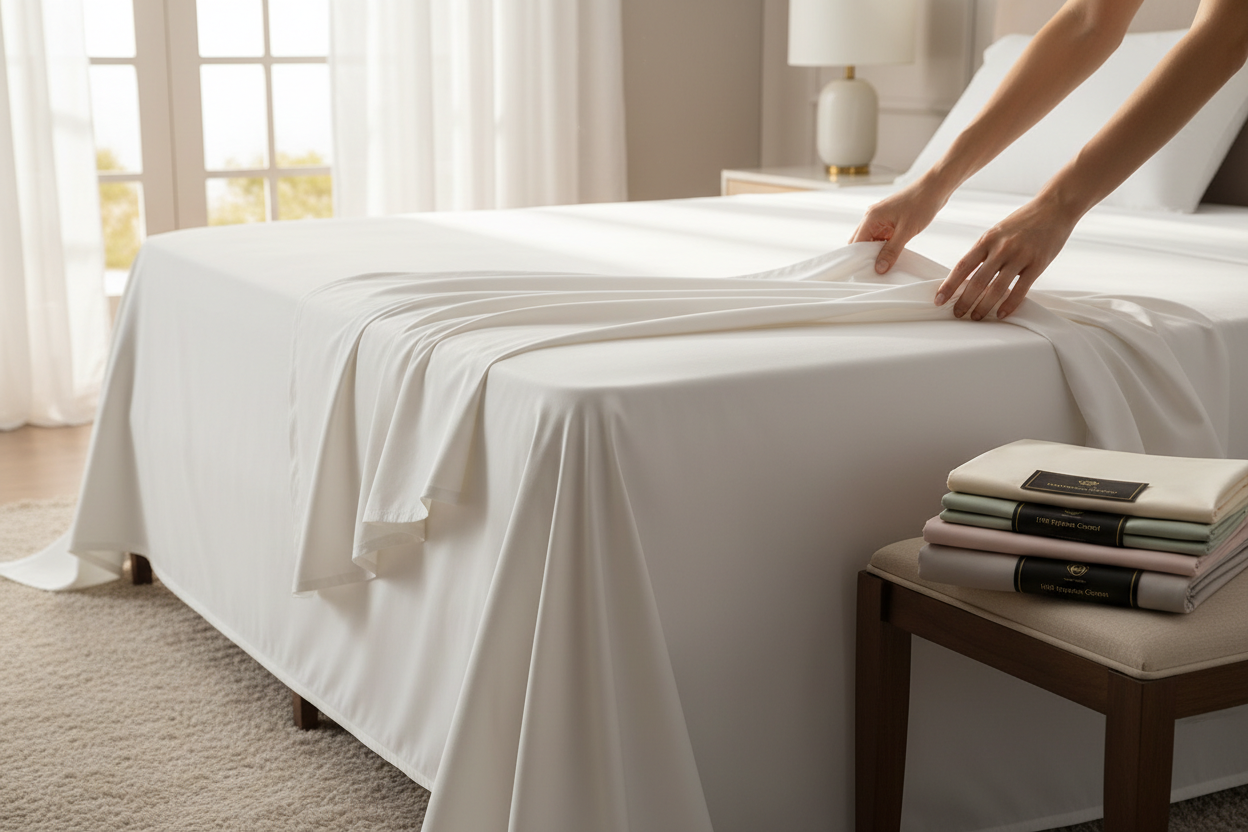
Bamboo sheets typically present a silky, smooth hand with fluid drape because bamboo-derived fibers are finer and more uniform than many cotton filaments. This fiber finesse produces a lush sensation that many describe as cooler and more luxurious against skin; the result is a soft sheen and reduced surface friction that suits sensitive skin. Cotton’s tactile range depends on both fiber type and weave: a percale weave feels crisp and breathable, while a sateen weave yields a smoother, more satin-like finish that softens with washing. Understanding that weave and staple length shape cotton’s feel lets you select a cotton option that either mimics bamboo’s softness (sateen, long-staple) or offers a crisp, airy surface (percale).
Bamboo’s consistent drape and cotton’s variety address different sleep priorities, and the following section explains how those feel differences affect thermal and moisture behavior during the night.
What Are the Temperature Regulation Properties of Bamboo vs Cotton?
Bamboo fibers transport moisture away from skin more efficiently than many cotton options, thanks to their porous microstructure and high absorption-to-evaporation ratio; this promotes evaporative cooling in warm or humid conditions. Cotton remains breathable—especially in percale weaves—but denser cotton sateen or high-thread-count sheets can trap heat and reduce airflow. Thermal conductivity, porosity, and moisture-wicking combine to determine perceived coolness: bamboo lyocell typically evaporates sweat faster, moderating skin temperature, while long-staple percale cotton offers cooler airflow but less active moisture transport. For hot sleepers, the combination of wicking plus breathability matters more than thread count alone.
This comparison leads naturally into why bamboo is often recommended for hot sleepers and which specifics matter when shopping.
Why Are Bamboo Sheets Considered the Best Choice for Hot Sleepers?
Yes — bamboo sheets are frequently recommended for hot sleepers because of their moisture-wicking fibers, breathable structure, and cool hand. Bamboo-derived lyocell and modal fibers draw sweat away from skin, disperse moisture across the fabric surface, and promote faster evaporation, which helps maintain a lower microclimate around the sleeper. Compared with dense cotton sateen, bamboo commonly provides a more stable temperature profile through the night, reducing awakenings due to overheating. The next paragraphs break down the mechanisms and offer practical buying tips for sleep environments prone to night sweats.
Bamboo’s cooling performance stems from a combination of porosity and hydrophilicity: the fiber structure transports liquid moisture into the yarn network where increased surface area speeds evaporation. That physical mechanism reduces skin wetness and dampness-induced heat, which is especially helpful in humid climates and for sleepers who perspire heavily. Choosing lyocell-processed bamboo improves both cooling and eco-credentials because closed-loop methods reduce chemical waste compared with older viscose processes.
For hot-sleeping shoppers, consider weave and finish as much as fiber: percale and lower-thread-count sateen in bamboo blends maximize airflow, while high thread counts can reduce breathability. Practical buying tips follow.
Bamboo linens are best paired with breathable mattress covers and lighter duvets to amplify cooling; next, we turn to specific moisture-wicking benefits and product-selection signals.
What Cooling and Moisture-Wicking Benefits Do Bamboo Sheets Offer?
Bamboo sheets offer targeted cooling through rapid moisture absorption and evaporation, lowering surface humidity and stabilizing skin temperature during sleep. The fiber’s structure enables fast moisture transport from skin to fabric surface, where evaporation occurs more quickly than in many cotton weaves; this translates into fewer night sweat disturbances and a cooler sleeping environment. Lyocell-based bamboo sheets typically outperform viscose-based alternatives in environmental footprint and sometimes in moisture handling due to smoother, more consistent fibers.
When shopping, look for lyocell or modal labels and prefer percale-style constructions if you prioritize airflow; avoid heavy, tightly woven sateen finishes if cooling is the primary goal. These selection cues help convert the cooling mechanisms described into better night-by-night outcomes for hot sleepers.
How Do Bamboo Sheets Help Improve Sleep Quality for Sensitive Skin?
Bamboo sheets often benefit sensitive skin because their smooth fibers reduce abrasion and because many bamboo-derived fabrics are naturally hypoallergenic and less hospitable to dust mites. The silky surface minimizes friction-related irritation, and bamboo’s moisture management prevents prolonged dampness that can exacerbate conditions like eczema. In addition, bamboo lyocell is frequently processed with fewer surface finishes, which reduces residue of harsh chemicals that sometimes trigger sensitivities.
Sensitive-skin shoppers should look for certifications and product-level care guidance to confirm low-chemical finishing; sleeply sleep provides certification details and care instructions on product pages to help buyers validate claims and maintain gentle washing routines that preserve hypoallergenic performance.
What Are the Pros and Cons of Bamboo Sheets Compared to Cotton Sheets?
Comparing pros and cons helps weigh trade-offs between cooling, texture, price, and environmental effects so buyers can pick what matters most. Bamboo pros include superior moisture-wicking, silky drape, and suitability for sensitive skin; cons include variable processing methods (viscose vs lyocell), potential higher price for closed-loop lyocell, and sometimes less predictable long-term pilling behavior if care is neglected. Cotton pros include a broad price and texture range, proven durability for long-staple varieties, and easy-care resilience; cons include higher water and pesticide use in conventional cotton farming and possible heat retention in dense weaves.
The table below lays out quick pros and cons for fast decision-making.
|
Material |
Pro |
Con |
|---|---|---|
|
Bamboo |
Moisture-wicking and silky hand |
Environmental impact depends on processing |
|
Cotton |
Wide variety of weaves and proven durability |
Conventional farming can be resource-intensive |
|
Bamboo lyocell |
Better closed-loop processing and consistent quality |
Typically higher cost than generic viscose |
|
Long-staple cotton |
Strong fibers, long-lasting |
Can be pricier at premium quality levels |
After weighing these trade-offs, you can match material strengths to your sleep profile and care willingness; the next subsections examine sustainability and care considerations that inform long-term ownership.
Here are practical trade-off scenarios to help finalize a decision:
- If you sleep hot or sweat at night: Choose bamboo lyocell percale for active cooling and moisture control.
- If you want crisp, cool sheets that become softer with time: Choose cotton percale from long-staple fibers.
- If sustainability and low chemical processing matter: Prioritize certified lyocell or organic cotton and verify processing claims.
These scenarios translate general pros and cons into buyer-focused recommendations and lead into a more detailed look at bamboo’s sustainability advantages and care expectations.
What Are the Sustainability Advantages of Bamboo Sheets?
Bamboo’s cultivation offers sustainability advantages because the grass grows quickly, regenerates without replanting, and generally requires less irrigation and fewer pesticides than conventional cotton. These cultivation traits reduce agricultural inputs and contribute to bamboo’s renewability advantage. However, processing methods alter the environmental picture significantly: closed-loop lyocell recovers solvents and reduces emissions, whereas older viscose processing can release chemicals and waste. The net sustainability benefit therefore depends on both cultivation and the fiber manufacturing pathway.
Buyers should evaluate bamboo products by their processing claims and certifications to ensure that the cultivation advantage translates into a lower overall footprint; the following subsection on care and durability explains how maintenance choices also affect lifetime environmental impact.
What Are the Care and Durability Considerations for Bamboo and Cotton Sheets?
Caring for bamboo and cotton sheets properly extends lifespan and preserves performance: wash both in gentle cycles with mild detergents, avoid high-heat drying that can weaken fibers, and tumble dry low or line-dry to reduce wear. Bamboo lyocell typically benefits from gentle handling—cooler wash temperatures and low-heat drying—while many cotton sheets tolerate warmer washes and higher dryer settings, which can aid in stain removal and sanitization. Durability-wise, long-staple cotton (Egyptian, Pima) resists pilling and retains strength over years, while bamboo lyocell offers good tensile strength but can show pilling if blended with lower-quality fibers.
sleeply sleep provides product-level care guidance and specific washing recommendations on each product page so customers can follow manufacturer-recommended routines that maximize longevity and maintain cooling performance. Proper care decisions reduce environmental impact by lengthening product life and improving total cost effectiveness.
What Are the Benefits of Cotton Sheets and When Should You Choose Them?
Cotton sheets remain an excellent choice when buyers want a familiar tactile range, proven durability, and a wide price spectrum. Cotton’s benefits include reliable breathability (especially percale), strong resilience in long-staple varieties, and a variety of weaves that let you tune crispness versus softness. When you need robust sheets that stand up to frequent laundering or you favor a classic cotton finish that softens over time, cotton is often preferable. The next parts break down cotton types and environmental impacts so you can choose the cotton variant that matches your priorities.
Cotton’s broad product ecosystem makes it straightforward to find percale for cool, crisp sleep or sateen for a softer, more luxurious finish; understanding fiber grade and weave is key to picking the right combination for durability and comfort.
How Do Different Types of Cotton Affect Sheet Quality and Comfort?
Different cotton types—Upland, Pima, and Egyptian—differ primarily by staple length, which influences softness, strength, and resistance to pilling. Upland cotton is common and cost-effective but has shorter staples; Pima and Egyptian varieties have longer staples that yield smoother yarns, higher tensile strength, and a silkier hand. Weave choices further alter feel: percale uses a plain weave for a crisp finish, while sateen uses a float weave to create a softer, shinier surface. Thread count matters less than staple length and yarn quality; premium long-staple cotton with moderate thread count often outperforms high-thread-count short-staple sheets.
These distinctions inform buying signals:choose long-staple cotton for durability and look for percale or sateen depending on desired texture.
What Are the Environmental Impacts of Cotton Sheets?
Conventional cotton production can be resource-intensive, using substantial water and pesticides in some major growing regions, which raises environmental and social concerns. Organic cotton reduces pesticide exposure and often uses water-conserving farming techniques, though certification and supply-chain transparency matter for verification. Processing and finishing also affect environmental footprints—mechanical and chemical treatments can add impacts—so buyers seeking lower-impact cotton should prioritize certified organic labels and transparent supplier claims.
Use these signals when comparing cotton options and consider lifecycle impacts, since longer-lasting cotton sheets offset upfront environmental costs by extending functional life.
How Does Bamboo Sheets Sustainability Compare to Cotton Sheets?
Evaluating sustainability requires looking at cultivation, processing, and end-of-life considerations; bamboo typically requires fewer agricultural inputs, while cotton can demand more water and agrochemicals unless grown organically. Processing differences—viscose versus lyocell for bamboo, and conventional versus organic processing for cotton—often determine the final environmental footprint more than raw cultivation alone. A short verdict: bamboo has strong renewable biomass advantages, but only closed-loop processing and transparent supply chains deliver meaningful lower-impact bedding.
Below is a concise table comparing key sustainability attributes to make lifecycle trade-offs clear.
|
Material |
Sustainability Attribute |
Impact / Notes |
|---|---|---|
|
Bamboo (general) |
Renewability |
Fast-growing, low inputs during cultivation |
|
Bamboo (viscose) |
Processing impact |
Higher chemical discharge risk if not closed-loop |
|
Bamboo (lyocell) |
Closed-loop processing |
Lower solvent loss and improved footprint |
|
Cotton (conventional) |
Water & pesticides |
High resource usage in many regions |
|
Cotton (organic) |
Farming practices |
Reduced chemical inputs, certification-dependent |
This table clarifies where sustainability gains arise and where processing can negate cultivation advantages. Next, we explain certifications and processing methods that buyers should look for.
What Certifications Ensure Sustainable Bamboo and Cotton Bedding?
Certifications like OEKO-TEX and GOTS provide signals about chemical safety and organic farming, while closed-loop lyocell claims (verified by manufacturer transparency) indicate more responsible processing for bamboo-derived fibers. OEKO-TEX focuses on harmful substances in the finished textile, GOTS covers organic fiber production plus processing and social criteria, and independent closed-loop documentation for lyocell confirms solvent recovery and reduced emissions. Buyers should verify certification claims on product pages and check whether test reports or certifying bodies are named, as this gives confidence that sustainability assertions are independently validated.
sleeply sleep lists certification details and care instructions on product pages to help shoppers confirm OEKO-TEX or GOTS labeling and verify closed-loop lyocell claims before purchasing.
How Do Processing Methods Affect the Eco-Friendliness of Bamboo and Cotton?
Processing methods strongly influence final environmental impact: viscose production historically used solvents that could escape into the environment, whereas modern lyocell is manufactured in closed-loop systems that recover and reuse solvent, reducing emissions and waste. For cotton, conventional chemical-intensive processing raises environmental concerns, but organic cotton farming and cleaner finishing techniques lower the footprint. The key consumer takeaway is to prefer fibers and brands that disclose processing methods and certifications, because cultivation benefits alone do not guarantee low-impact finished textiles.
Understanding processing differences enables buyers to choose materials that pair cultivation advantages with responsible manufacturing, maximizing real-world sustainability.
For shoppers ready to act, compare material labels, prioritize lyocell or certified organic cotton, and consult product-level certification and care details. Explore comprehensive bedding comparisons that evaluate bamboo and cotton options across breathability, sustainability, and performance metrics. Finally, explore certified products featuring bamboo viscose and organic cotton that combine temperature regulation with verified safety standards for informed purchasing decisions.